Benefits of Automatic Lubrication Systems
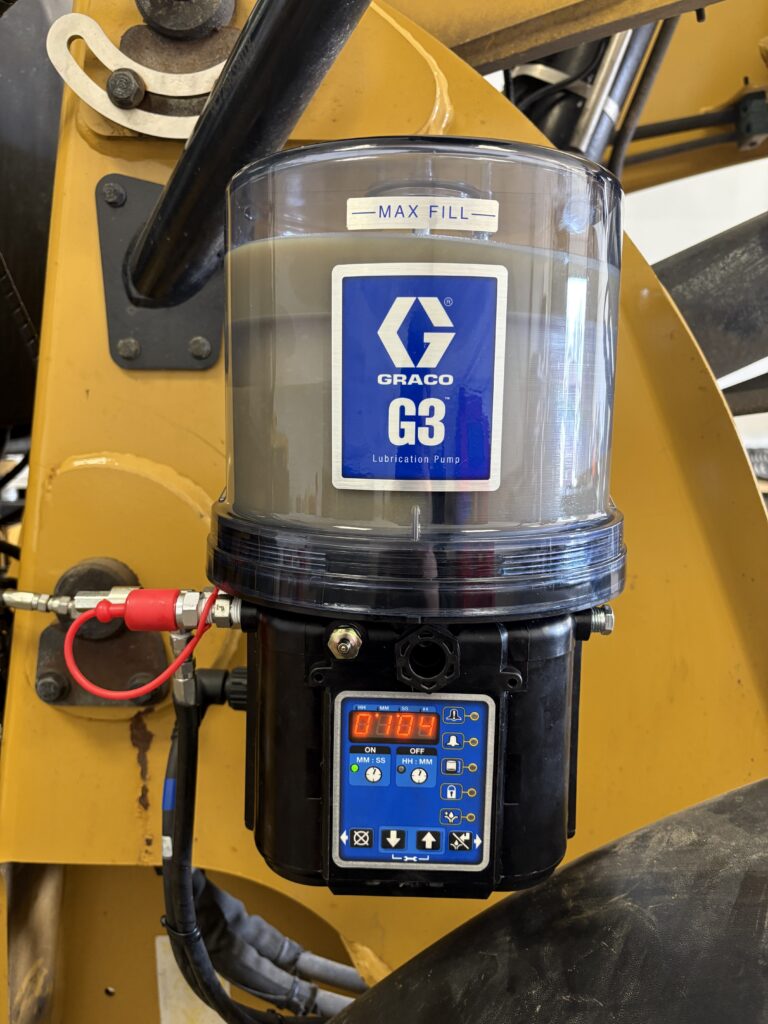
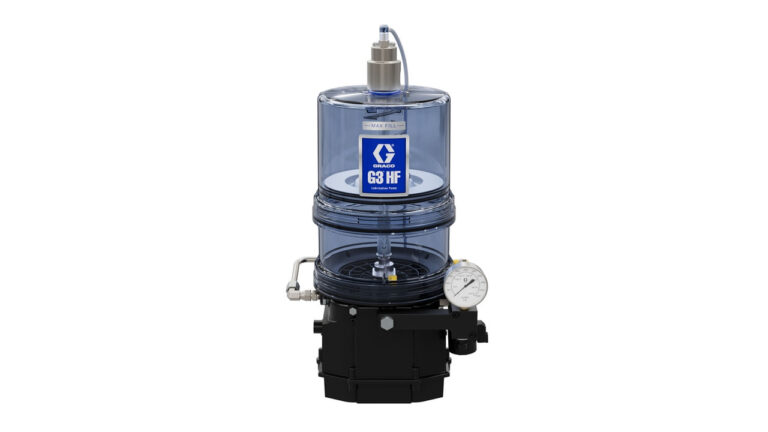
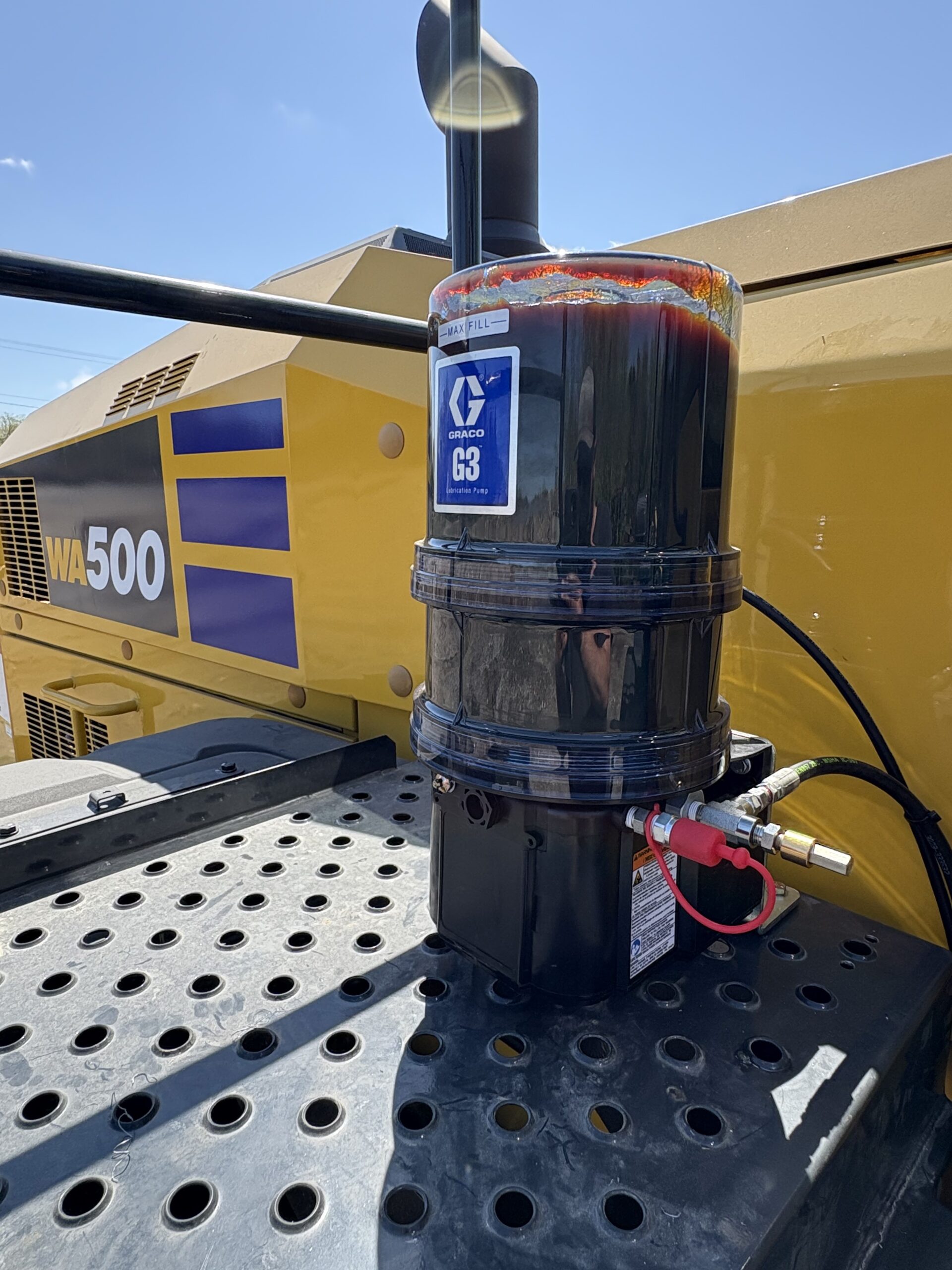
Automatic lubrication systems (sometimes called centralized lubrication systems) are designed to do one simple but important job: keep critical machine components properly lubricated without relying on manual greasing.
Instead of someone having to remember schedules or physically grease every point, the system delivers small, measured amounts of lubricant at set intervals. The result is more consistent protection across the machine and far less risk of over-greasing or missing lubrication points altogether.
In practice, that consistency is what prevents a lot of common equipment issues.
Longer equipment life
Most wear in mechanical systems comes down to friction. Bearings, chains, gears, and similar components all depend on proper lubrication to keep surfaces from breaking down over time.
When lubrication is applied automatically and in the right amounts while equipment is running, friction stays under control and components stay protected.
The end result is pretty straightforward: less wear, fewer unexpected failures, and a noticeable extension in the life of both individual parts and the machine as a whole.
Better uptime and productivity
Manual greasing takes time. It usually means scheduled downtime, or worse, interruptions during a busy production cycle. And when lubrication gets missed or delayed, that often turns into bigger problems later on.
Automatic systems remove that dependency.
Once installed, lubrication happens in the background without requiring constant attention from operators or maintenance staff. That frees up time for higher-value work like inspections, troubleshooting, and preventative maintenance.
Over time, this leads to fewer interruptions and more consistent uptime across the operation.
Improved safety for maintenance teams
One of the less obvious benefits is safety.
Manual lubrication often puts technicians in awkward or risky positions—reaching into tight spaces, working around moving equipment, or servicing machines in less-than-ideal conditions.
Automating that process reduces the need for that exposure.
Maintenance teams spend less time near pinch points, hot surfaces, and confined areas, which lowers the overall risk of injury on site.
Lower long-term operating costs
There is an upfront cost to installing an automatic lubrication system, but most operations see the value over time.
Savings typically come from:
- Reduced labour required for greasing
- Lower lubricant consumption due to precise metering
- Fewer premature part replacements
- Less unplanned downtime
When you combine all of those factors, the system usually pays for itself through reduced operating costs and improved equipment reliability.
Reduced environmental impact
Another benefit that often gets overlooked is efficiency in lubricant use.
Because the system delivers controlled amounts of grease or oil, there’s far less over-application. That means less waste, less cleanup, and reduced risk of excess lubricant ending up where it shouldn’t.
For operations trying to meet environmental standards or sustainability goals, this becomes a meaningful advantage over time.
Conclusion
Automatic lubrication systems are a practical way to improve how equipment is maintained across mobile machinery, plant equipment, and power generation systems.
They don’t replace maintenance teams—they support them by making lubrication more consistent, predictable, and efficient.
In most cases, the benefits show up in three main areas: less downtime, safer working conditions, and lower long-term maintenance costs.